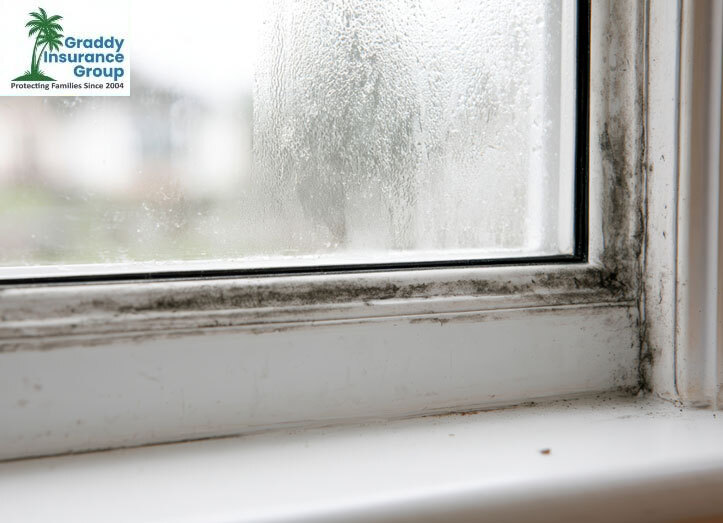
Finding dark spots growing on your walls or smelling a musty odor can be stressful. If you spot mold in your home, your first thought is probably about the cost of cleaning it up. Naturally, many people ask: does homeowners insurance cover mold?
The short answer is that it depends on what caused the mold to grow. At Graddy Insurance Group, we want to help you understand your insurance coverage so you are never caught off guard. Let’s look closely at when your policy will pay to fix the issue and when it won’t.
Key Takeaways
- Covered Causes: Most policies will cover mold damage if it was caused by a sudden and accidental water issue, like a burst water heater.
- Excluded Causes: Mold caused by poor maintenance, ongoing water leaks, or high humidity is typically not covered.
- Flood Damage: Standard policies do not pay for mold caused by natural floods.
- Policy Limits: Even when covered, your policy might have a specific limit for mold remediation costs.
- Prevention is Key: Using your air conditioning and bathroom exhaust fans can stop mold before it starts.
When Will Insurance Pay for Mold?
Homeowners insurance protects you from sudden disasters. Because of this, an insurance company will usually cover mold if it is the direct result of a covered peril. A covered peril is an event listed in your policy that you are protected against.
For example, if you have a bursting pipe under your sink that floods your floors, the water damage is covered. If mold starts to grow a few days later from that exact leak, your insurance will usually pay to remove it.
To be covered, the cause must be an accidental event that you could not predict. As long as you take quick action to stop the water and dry the area, your policy should help.
When Is Mold Not Covered?
While sudden accidents are covered, maintenance issues are not. It is your job to keep the house in good repair. If mold grows because of something you could have fixed, your policy will not pay for the cleanup.
If you ignore dripping water leaks under your sink for months, mold will eventually grow. Because the leak was not sudden, your insurance will deny the claim.
Other situations where mold is not covered include:
- High Humidity: If a poorly ventilated bathroom grows mold, this is a maintenance issue.
- Flooding: Rainwater entering your home is not covered by a standard policy.
- Water Backup: If a sewer drain backs up, standard policies often won’t cover it unless you added a specific water backup endorsement.
How to Prevent Mold from Growing
The best way to handle mold is to stop it early. By controlling moisture, you can easily prevent mold.
Here are simple tips to keep your house dry:
- Use Your Air Conditioning: In humid climates, your air conditioning acts as a giant dehumidifier. Keep it running to pull moisture out of the air.
- Turn On Exhaust Fans: When you take a hot shower, run your exhaust fans to pull damp air outside.
- Check Your Sump Pump: If you have a basement, make sure your sump pump works properly. A broken pump leads to standing water, which creates the perfect home for mold.
- Fix Leaks Fast: Routinely check under your sinks and near your water heater.
The Claims Process for Mold Damage
If you experience a sudden water disaster, knowing how to handle insurance claims is important.
First, stop the water source. Then, contact Graddy Insurance Group right away to file a claim. Do not wait, because mold can start growing fast. Take clear photos of the damage before you start cleaning.
When you file a mold claim, an adjuster will visit your home. They will confirm the water’s source. If approved, your mold coverage will kick in. This money helps pay for professional mold remediation to safely remove the spores.
Some policies have a cap on how much they will pay for cleanup. Your agent at Graddy Insurance Group can review your exact limits.
Frequently Asked Questions (FAQs)
Does standard home insurance cover mold from a leaky roof?
If a heavy storm suddenly tears shingles off your roof and water pours in, the resulting mold is usually covered. However, if your roof is old and slowly leaks over time, the mold will not be covered.
How much does cleanup cost if insurance doesn’t cover it?
Removing mold can cost anywhere from a few hundred to several thousand dollars. The final price depends on how far it has spread and if materials like drywall need replacing.
Can I buy extra coverage for mold?
Yes! You can often add an endorsement to your policy. This increases your limits for mold damage. Contact Graddy Insurance Group to learn more about your options.
What should I do if I smell mold but can’t see it?
Mold often grows out of sight, like behind walls. If you smell a musty odor, you should hire a professional inspector to find the hidden moisture source.
At Graddy Insurance Group, we are here to help you protect your home. Understanding what your policy covers shouldn’t be a guessing game.