Finding reliable car insurance in Florida takes a little work, but good coverage keeps your money safe. Drivers in Florida deal with busy roads, heavy traffic, and sudden tropical storms. Whether you need a new policy or want to update existing coverage in Dunedin or Punta Gorda, knowing how to find auto insurance helps you get top protection for your budget.
Key Takeaways
- Know State Rules: Florida requires all drivers to carry Personal Injury Protection and Property Damage Liability.
- Compare Quotes: Shopping across several insurance companies helps you find lower rates for your exact location.
- Combine Coverages: Combining liability coverage with collision coverage and comprehensive protection builds full coverage for your car.
- Check Your Zip Code: Where you live in Dunedin or Punta Gorda changes how a car insurance company sets your rate.
- Work with Local Pros: Independent agents make comparing options easy and help you unlock hidden discounts.
Why Finding Good Coverage Matters in Florida
Driving in Florida brings unique challenges. Busy coastal roads and intense rainstorms increase the risk of accidents. Because coverage rules vary by state, Florida drivers often see prices higher than the national average.
Car insurance is not just a law to follow. It is an essential cushion for your wallet. If you get in a crash, having the right car insurance coverage means you do not have to pay huge bills out of pocket.
Step 1: Learn What Florida Laws Require
Before you start shopping, you must learn Florida basic insurance rules. Florida uses a no-fault system for car accidents. This means your own policy pays for your initial medical care no matter who caused the crash.
To legally drive in Florida, you must carry at least:
- Ten thousand dollars in Personal Injury Protection: This pays for medical bills and lost wages for you and your passengers.
- Ten thousand dollars in Property Damage Liability: This pays for damage you cause to another person’s car or property.
While state minimums let you drive legally, they leave big gaps. Basic minimums do not fix your own car. They also do not offer bodily injury protection if another driver sues you after a severe accident.
Step 2: Choose the Right Types of Coverage
To protect your family and car completely, you need broader choices. Look at options including extra protection for your car and added personal liability coverage.
Personal Liability Coverage
Florida does not require all drivers to buy bodily injury liability. However, adding it to your plan is a smart choice. If you cause a crash that hurts someone, personal liability coverage pays for their medical costs and legal fees. Without it, you could be sued for your personal savings.
Collision and Comprehensive Protection
If you lease or finance your car, your lender will mandate full coverage. Full coverage combines standard liability protection with physical damage coverage for your car:
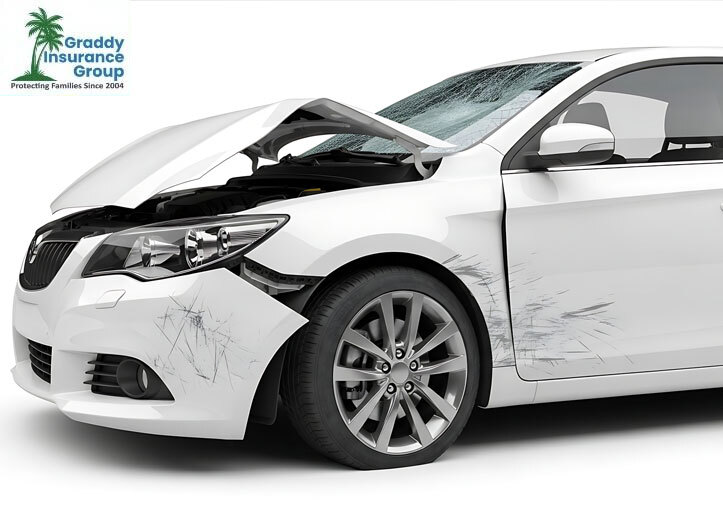
- Collision Coverage: Pays to fix or replace your car if you hit another vehicle, wall, tree, or guardrail.
- Comprehensive Coverage: Pays for non-crash damage like theft, vandalism, cracked glass, fallen tree limbs, or flood water damage.
Uninsured Motorist Coverage
Florida has many drivers on the road without insurance. Adding uninsured motorist coverage protects you if an uninsured or hit-and-run driver hits your vehicle.
Step 3: Gather Your Personal Information
When you are ready to start comparing quotes, having your papers ready saves time. Every car insurance company asks for basic personal information to figure out your risk level.
Gather these details before you start shopping:
- Driver Info: Names, birth dates, driver’s license numbers, and marital status for all household drivers.
- Vehicle Info: Vehicle Identification Number, year, make, model, and current mileage.
- Driving History: Details about tickets, moving violations, or crashes over the past three to five years.
- Current Policy Info: Your current limits and policy expiration dates.
Insurers use your driving history as a key factor to set your car insurance rate. Keeping a clean record free of tickets or crashes leads to much cheaper car insurance options.
Step 4: Compare Insurers and Request Quotes
To find top protection at a fair price, you need to compare insurers across the state. Rates for the exact same vehicle can change a lot from one carrier to another.
When you look at different insurance companies, do not focus only on price. The cheapest car insurance is not always best if the insurer has poor customer service or delays paying claims. Check customer satisfaction ratings and financial strength before you buy.
Your zip code also plays a major role in your costs. Living in Dunedin versus living in Punta Gorda can lead to different premiums. Local traffic patterns, theft rates, and weather risks in your zip code affect how insurers set insurance rates.
Step 5: Ask for Discounts to Save Money
Car insurance companies offer discounts that lower your monthly bill. Finding savings based on your daily driving habits or car safety gear makes higher coverage much cheaper.
Common ways to save include:
- Multi-Policy Bundles: Buying auto insurance along with home, condo, or renters insurance gives you great savings based on bundling.
- Safe Driver Discounts: Staying free of accidents and tickets over time lowers your risk tier.
- Telematics Apps: Using a mobile app that tracks smooth driving can reward you with direct discounts.
- Good Student Discounts: Students with strong grades often get cheaper rates.
- Vehicle Safety Tools: Cars with anti-lock brakes, lane warnings, and anti-theft alarms cost less to insure.
Choosing a higher deductible is another way to lower your monthly price. Choosing a higher deductible lowers your payment, but you pay more out of pocket if you file a claim.
Step 6: Review Your Auto Insurance Every Year
Finding insurance is not a one-time job. Your life changes, and your policy should change with it. Reviewing your policy each year ensures you never pay for things you do not need.
Update your plan when you:
- Move to a new home in Dunedin or Punta Gorda.
- Buy a new or used car.
- Add or remove drivers in your home.
- Change your daily commute distance.
If you wonder how to find the best auto insurance without spending hours on the phone, an independent agent can help. Independent agents compare quotes across top companies to find you the best balance of price and safety.
Frequently Asked Questions
Why are insurance rates higher in Florida?
Florida has dense traffic, frequent tropical storms, many uninsured drivers, and no-fault insurance laws that raise overall costs.
What is the difference between collision coverage and comprehensive coverage?
Collision coverage pays when your car hits another vehicle or object. Comprehensive coverage pays for non-crash events like theft, weather, or fallen objects.
Does my zip code affect my car insurance rate?
Yes, insurers look at local accident rates, theft risk, and weather events in your zip code. Rates in Dunedin can differ from rates in Punta Gorda.
How often should I compare quotes?
You should compare quotes once a year or whenever you move, buy a car, or add a driver to your policy.
Contact Graddy Insurance Group Today
Finding the right auto insurance policy in Florida should not be hard. Whether you need to review an existing policy or find a new policy in Dunedin or Punta Gorda, Graddy Insurance Group is here to help. Our local team will review your needs, compare rates across leading carriers, and build a plan that fits your budget.